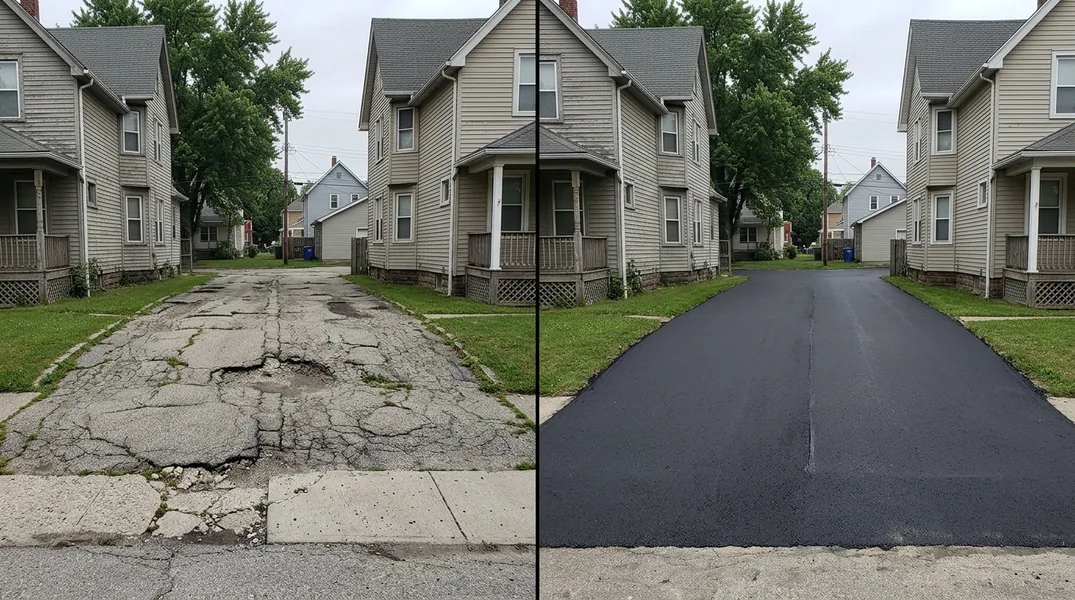
Understanding Asphalt Crack Types: The First Step to Decision Making
When you notice cracks forming in your driveway, your first instinct might be to panic. But before you call for repairs, it's important to understand what type of crack you're dealing with. Not all cracks are created equal, and the type you have will largely determine whether you need a simple Driveway Repair or a more comprehensive solution.
The most common crack types include hairline cracks, which are thin and often surface-level, and alligator cracks, which resemble the skin of an alligator and indicate deeper structural problems. Linear cracks run in straight lines, usually caused by settling or temperature fluctuations common in Cleveland winters. Block cracks form a pattern of rectangular sections and typically suggest that your asphalt base is failing. Understanding these distinctions helps you make an informed decision about whether your driveway needs minor repairs or if it's time to consider Asphalt Resurfacing & Overlay or complete replacement with Asphalt Driveway Paving & Installation.
When to Repair: Catching Problems Early
If you've identified hairline or linear cracks in your driveway, you're likely looking at a repair situation rather than replacement. These surface-level issues can often be addressed with targeted Pothole Repair & Asphalt Patching or crack filling services. The key is to act quickly. Small cracks may seem minor, but they're an open invitation for water to seep beneath your asphalt. Once water gets underneath, it weakens the base layer, and what started as a simple crack can quickly become a much more expensive problem.
The best time to repair cracks is during the warmer months when asphalt is more pliable and sealant materials cure properly. In Cleveland, this typically means spring through early fall. Professional repair services can fill cracks with specialized sealant that prevents water infiltration and stops the crack from expanding. This preventive approach can extend your driveway's life by several years and save you thousands in replacement costs down the road. If you're unsure whether your driveway needs repair or replacement, reaching out for a free estimate is a smart first step.
When to Replace: Reading the Signs of Failure
There comes a point when repairs no longer make financial sense. If your driveway is showing extensive alligator cracking, multiple potholes, significant settling, or widespread surface deterioration, replacement is likely your best option. A driveway that has reached this stage typically cannot be saved with simple repairs. Attempting to patch multiple areas becomes a temporary fix that costs money without providing lasting value. When more than 25 to 30 percent of your driveway surface shows advanced damage, it's time to consider Asphalt Driveway Paving & Installation.
Replacement also makes sense if your driveway is nearing the end of its typical lifespan. Most asphalt driveways last between 15 and 20 years with proper maintenance. If your driveway is approaching this age and showing multiple signs of wear, investing in a new installation will provide better long-term value than continuing to patch and repair. A new driveway also improves your home's curb appeal and can increase property value. Cleveland Asphalt Paving can assess your specific situation and provide honest recommendations about whether repair or replacement is the right choice for your home.
New Asphalt Driveway Care: How Long for Asphalt to Cure and What You Need to Know
If you've decided to move forward with a new driveway installation, understanding the curing process is essential for protecting your investment. Many homeowners don't realize that newly installed asphalt isn't immediately ready for regular use. The curing process takes time, and rushing to use your driveway can cause permanent damage. Typically, how long for asphalt to cure depends on weather conditions, but most new asphalt needs 24 to 48 hours before light traffic and 7 to 10 days before it can handle regular use and parked vehicles.
The question of how long before you can drive on new asphalt is one we hear frequently. During the first 24 hours, you should avoid driving on the surface entirely. After 48 hours, light driving is acceptable, but you should still avoid parking vehicles in the same spot for extended periods. During hot weather, the curing process may take longer because the asphalt needs time to properly set and bond. Cold weather can also slow curing. For the best results and to ensure your new driveway reaches its full strength, follow all care instructions provided by your installation contractor. Proper new asphalt driveway care during the curing period can add years to your driveway's lifespan.
Maintaining Your Driveway: How Often to Seal Driveway and Extend Its Life
One of the most overlooked aspects of driveway ownership is routine maintenance. Many homeowners wait until significant damage appears before taking action, but regular maintenance can prevent expensive repairs and replacements. A critical part of this maintenance routine is understanding how often to seal driveway surfaces. Most experts recommend sealing your asphalt driveway every two to three years, or more frequently if your driveway experiences heavy traffic or harsh weather conditions.
Sealcoating acts as a protective barrier against UV rays, water infiltration, and chemical damage from salt and oil spills. In Cleveland Heights and surrounding areas where winter weather is particularly challenging, regular sealing becomes even more important. The freeze-thaw cycle that occurs during cold months can rapidly deteriorate unsealed asphalt. By maintaining a consistent sealing schedule as part of your new asphalt driveway care plan, you'll protect your investment and avoid the need for costly repairs. Additionally, keeping your driveway clean, filling small cracks promptly, and addressing drainage issues will further extend its useful life. Think of sealing as an inexpensive insurance policy that pays dividends by keeping your driveway looking great and functioning properly for years to come.
Getting Professional Help: Asphalt Driveway Paving & Installation Near Me
Making the decision between repair and replacement can be challenging, especially if you're not sure what to look for or how to evaluate your driveway's condition. This is where professional expertise becomes invaluable. Cleveland Asphalt Paving has been serving the Cleveland area for years, helping homeowners understand their options and providing quality solutions for every driveway situation. Whether you need a simple repair, crack filling, or a complete new installation, our team can assess your driveway and recommend the most cost-effective solution.
When you're searching for asphalt driveway paving and installation services near you, it's important to work with a contractor who understands local weather conditions and can provide realistic timelines for work completion. Cleveland Asphalt Paving offers transparent pricing and detailed explanations of what your driveway needs. We're committed to helping you make the right decision for your home and budget. If you're unsure whether your driveway needs repair or replacement, contact us at (216) 238-3742 or request a free estimate today. Our experienced team will provide an honest assessment and help you understand your options so you can make the best decision for your property.
Looking for a professional asphalt paving contractor in Cleveland? Cleveland Asphalt Paving responds fast for all your asphalt paving needs.
Get a Free Quote